Less-than-container or full-container load? How volume, cost, transit time and cargo sensitivity decide the better sea freight option.
When you ship by sea, the first decision is how to book container space: share a container with other shippers (LCL — Less than Container Load) or book a whole container for your cargo (FCL — Full Container Load). The right choice affects cost, transit time, handling risk and how you plan inventory. Here is how to decide between LCL and FCL for shipments to and from Saudi Arabia.
What is LCL shipping?
With LCL, your cargo is consolidated with goods from other shippers in a shared container. You pay for the space you use, usually per cubic metre (CBM) or per tonne, whichever is greater. At destination the container is unpacked at a container freight station (CFS) and your goods are released separately.
What is FCL shipping?
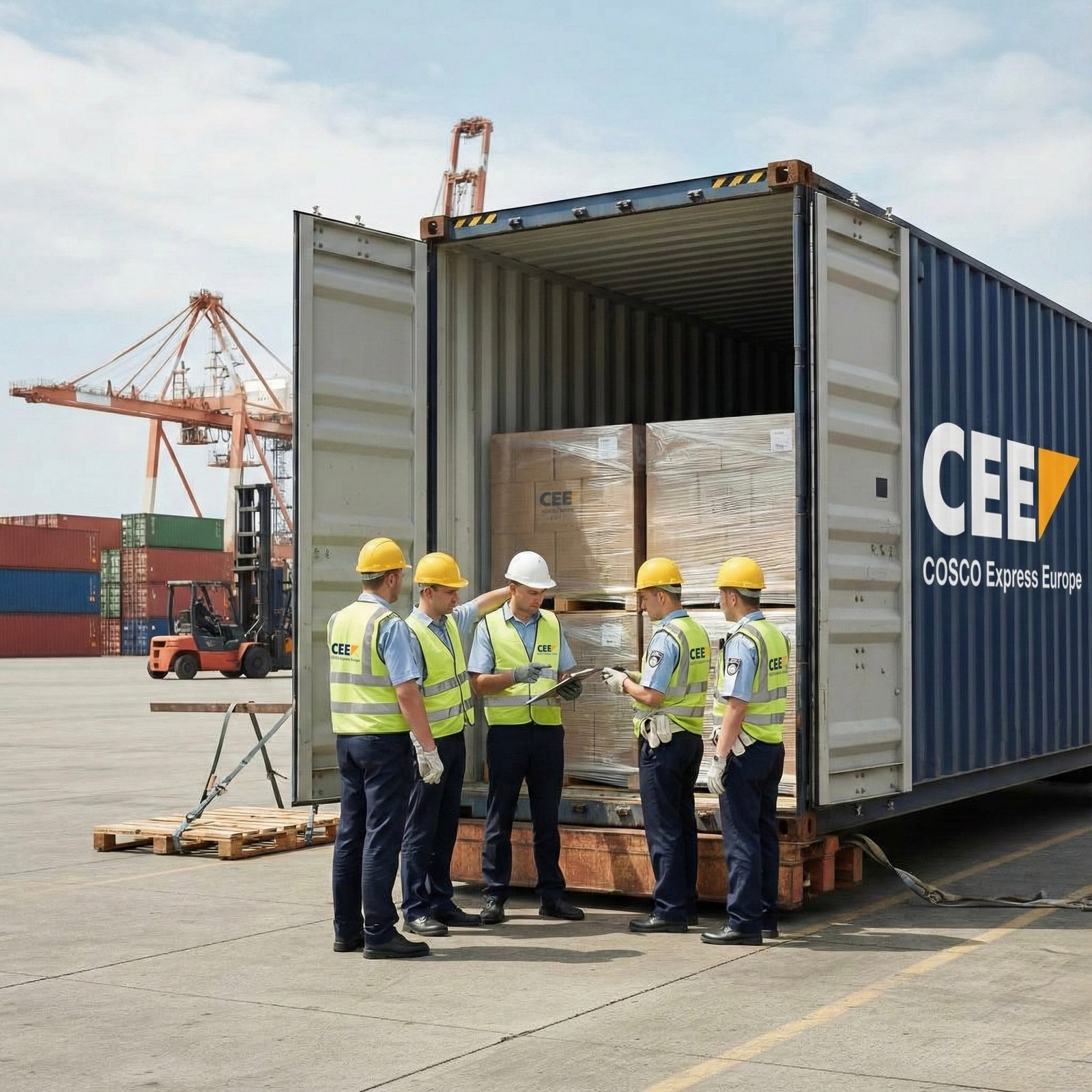
With FCL, you book an entire 20ft, 40ft or 40ft high-cube container. It is sealed at origin and stays sealed until it reaches you, unless customs opens it for inspection. You pay a flat rate per container regardless of how full it is.
LCL vs FCL at a glance
| LCL | FCL | |
|---|---|---|
| Best for | Small and medium volumes | Large volumes, high-value or fragile goods |
| Pricing | Per CBM / tonne | Per container |
| Transit time | Longer (consolidation and deconsolidation) | Shorter and more predictable |
| Handling | More touch points | Minimal — sealed at origin |
| Flexibility | Ship smaller, more frequent orders | Fewer, larger shipments |
When LCL is the right choice
- Volumes under roughly 13–15 CBM — below this, paying per CBM is usually cheaper than a full container.
- Frequent replenishment — smaller, regular orders keep less cash tied up in stock.
- Testing a new supplier or market — no need to commit to full containers.
- Mixed suppliers — goods from several vendors can be consolidated at origin.
When FCL is the better option
- Volumes above about half a container — FCL often becomes the more economical option.
- Fragile or high-value cargo — fewer handling points mean lower risk of damage or loss.
- Time-sensitive shipments — no waiting for a consolidation box to fill, and faster release at destination.
- Special equipment — reefers, open-tops and flat-racks are only available as FCL.
The hidden costs to compare
Comparing only the ocean rate is misleading. LCL shipments carry CFS, handling and documentation charges at both ends, which can make a "cheap" LCL rate more expensive than expected. FCL shipments can incur demurrage and detention if the container isn't collected and returned on time. Always compare the total landed cost, including customs clearance and delivery to your door.
A practical rule of thumb
Under 10 CBM, LCL almost always wins. Between 10 and 15 CBM, get quotes for both. Above 15 CBM, FCL is usually cheaper, faster and safer. Your forwarder should run this comparison for you on every shipment.
How Zenlogix can help
Zenlogix offers both LCL consolidation and FCL container shipping on major trade lanes, with real-time tracking and port-to-door delivery across Saudi Arabia. Request a quote and we'll compare both options for your cargo.
Frequently asked questions
How many CBM fit in a 20ft and a 40ft container?
A 20ft container holds about 33 CBM (around 25–28 CBM usable in practice) and a 40ft container about 67 CBM (around 55–60 CBM usable), depending on the cargo and packaging.
Is LCL slower than FCL?
Usually yes. LCL cargo must be consolidated at origin and deconsolidated at destination, which typically adds several days compared with FCL on the same route.
When does FCL become cheaper than LCL?
On most routes the break-even point is somewhere between 13 and 15 CBM, but it varies with rates and destination charges, so compare total landed costs.